



Top 5 Benefits of Induction Heating Furnaces for Forging Applications
Release time:
2025-03-22
Top 5 Benefits of Induction Heating Furnaces for Forging Applications Table of Contents 1. Introduction to Induction Heating Furnaces 2. Enhanced Energy Efficiency in Forging 3. Improved Process Precision and Control 4. Significant Cost Savings in Production 5. Increased Safety and Reduced Emissions 6. Versatility Across Various Materials 7. FAQs

Top 5 Benefits of Induction Heating Furnaces for Forging Applications
Table of Contents
- 1. Introduction to Induction Heating Furnaces
- 2. Enhanced Energy Efficiency in Forging
- 3. Improved Process Precision and Control
- 4. Significant Cost Savings in Production
- 5. Increased Safety and Reduced Emissions
- 6. Versatility Across Various Materials
- 7. FAQs
- 8. Conclusion
1. Introduction to Induction Heating Furnaces
Induction heating furnaces have emerged as a game-changer in various manufacturing processes, particularly in forging applications. These advanced systems utilize electromagnetic induction to heat materials rapidly and uniformly. As industries seek to enhance productivity and reduce energy consumption, the adoption of induction heating technology has gained momentum. This article explores the **top five benefits of induction heating furnaces** in forging, highlighting their impact on efficiency, cost-effectiveness, and sustainability.
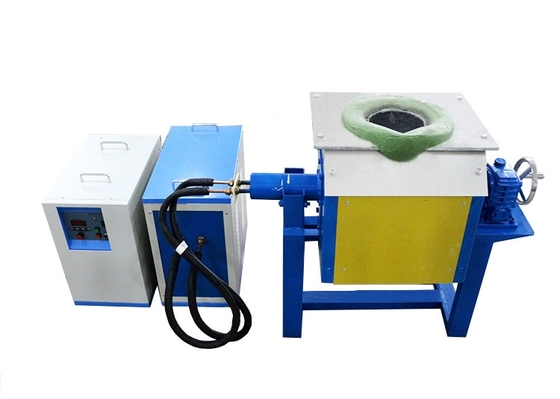
2. Enhanced Energy Efficiency in Forging
One of the primary benefits of induction heating furnaces is their **superior energy efficiency** compared to traditional heating methods. Induction heating systems offer several advantages that contribute to this efficiency.
Direct and Focused Heating
Induction heating works by creating a magnetic field that induces electric currents within the material itself. This process heats the material directly, minimizing heat loss that typically occurs during heat transfer in conventional furnaces. As a result, induction heating furnaces can achieve higher temperatures faster and with lower energy consumption.
Reduced Idle Time
Unlike traditional furnaces that require significant time to reach operational temperatures, induction heating furnaces can be activated and deactivated rapidly. This feature allows manufacturers to reduce idle time, maximizing production efficiency.
Lower Utility Costs
With increased energy efficiency comes the **benefit of lower utility costs**. Manufacturers can expect to see a decrease in their energy bills as induction systems consume less power while delivering superior heating performance.
3. Improved Process Precision and Control
Another compelling advantage of induction heating furnaces is their ability to provide **precise temperature control** during forging processes. This precision leads to improved product quality and consistency.
Accurate Temperature Monitoring
Induction heating systems are equipped with advanced temperature monitoring technologies that allow for real-time adjustments. Operators can accurately set and maintain desired temperatures, ensuring that materials are heated uniformly throughout their volume.
Enhanced Quality Control
With precise temperature control, manufacturers can significantly reduce the risk of defects in forged components. The ability to control heating cycles leads to better metallurgical properties, resulting in higher-quality finished products.
Minimized Thermal Stress
Induction heating reduces the likelihood of introducing thermal stress into materials due to its rapid heating capabilities. This characteristic leads to fewer structural failures, translating to higher reliability in forged components.
4. Significant Cost Savings in Production
Induction heating furnaces contribute to **cost savings** in several ways, making them an attractive option for manufacturers seeking to optimize their operations.
Reduced Material Waste
The precision of induction heating minimizes the risk of over-heating or under-heating materials, leading to less material waste. This efficiency not only conserves resources but also positively impacts the bottom line.
Lower Maintenance Costs
Induction heating systems typically require less maintenance than traditional furnaces due to their simplified design and fewer moving parts. This reduction in maintenance translates to lower operational costs for manufacturers.
Faster Production Cycles
The speed at which induction heating furnaces operate means that manufacturers can complete forging processes more quickly. Shorter production cycles lead to increased throughput, allowing businesses to meet customer demands more effectively and boost overall profitability.
5. Increased Safety and Reduced Emissions
The use of induction heating furnaces contributes to a **safer working environment** and promotes sustainability within industrial manufacturing.
Safer Working Conditions
Since induction heating does not involve combustion, there is a significant reduction in the risk of fire hazards. Additionally, the absence of open flames means that the working environment is safer for personnel.
Lower Emissions
Induction heating produces fewer harmful emissions compared to traditional heating methods. This reduction in emissions aligns with global sustainability goals and helps businesses comply with environmental regulations.
Potential for Thermal Efficiency Recovery
Many induction heating systems can incorporate features aimed at recovering waste heat, further enhancing their environmental performance. By capturing and reusing heat, manufacturers can improve their overall energy efficiency.
6. Versatility Across Various Materials
Induction heating furnaces are known for their **versatility**, making them suitable for a wide range of forging applications.
Compatibility with Multiple Materials
Induction heating systems can effectively heat various materials, including metals and alloys. This adaptability allows manufacturers to use induction heating in diverse applications, from automotive components to aerospace parts.
Application in Different Forging Techniques
Whether it’s open-die forging, closed-die forging, or even precision forging, induction heating can be utilized effectively across different techniques. This versatility makes it a valuable asset in modern manufacturing settings.
Customization Options
Manufacturers can customize induction heating systems to suit their specific needs, allowing for tailored solutions that optimize production processes. This level of customization ensures that businesses can meet unique production requirements efficiently.
7. FAQs
What is induction heating?
Induction heating is a process that uses electromagnetic induction to heat materials directly, producing heat within the material itself rather than relying on external heating methods.
What are the main advantages of induction heating furnaces in forging?
The main advantages include enhanced energy efficiency, improved precision and control, significant cost savings, increased safety, reduced emissions, and versatility across various materials.
Can induction heating be used for all types of metals?
Yes, induction heating can effectively heat a wide range of metals and alloys, making it suitable for various forging applications.
How does induction heating improve production efficiency?
Induction heating improves production efficiency by reducing heating times, minimizing material waste, and allowing for rapid activation and deactivation of the heating process.
Are there any environmental benefits to using induction heating?
Yes, induction heating furnaces produce fewer harmful emissions and can incorporate heat recovery systems, contributing to a more sustainable manufacturing process.
8. Conclusion
Induction heating furnaces represent a significant advancement in forging applications, providing manufacturers with numerous benefits that enhance productivity, reduce costs, and foster sustainability. With their superior energy efficiency, precise control, and versatility across various materials, induction heating systems are reshaping the landscape of modern manufacturing. As industries continue to evolve, embracing such innovative technologies will not only optimize operations but also pave the way for a more sustainable future. Investing in induction heating is not merely a choice but a strategic decision to stay ahead in the competitive market.
Contact Us
TEL:+86 13503880562
Email:sales@cnmelt.com
Website: https://www.cnmelt.com/
WeChat/WhatsApp: +8613503880562
Add: Luoyang City, China
QR code
Copyright © Luoyang Ruixinsheng Industrial Technology Co., Ltd.
