



The Advantages of Induction Heating Furnaces for Forging Applications
Release time:
2025-03-23
Induction heating furnaces have become increasingly popular in the forging industry due to their numerous advantages over traditional heating methods. These specialized furnaces utilize electromagnetic induction to generate heat directly within the workpiece, offering precise control and efficiency that can significantly enhance manufacturing processes. One of the primary benefits of induction he

Induction heating furnaces have become increasingly popular in the forging industry due to their numerous advantages over traditional heating methods. These specialized furnaces utilize electromagnetic induction to generate heat directly within the workpiece, offering precise control and efficiency that can significantly enhance manufacturing processes.
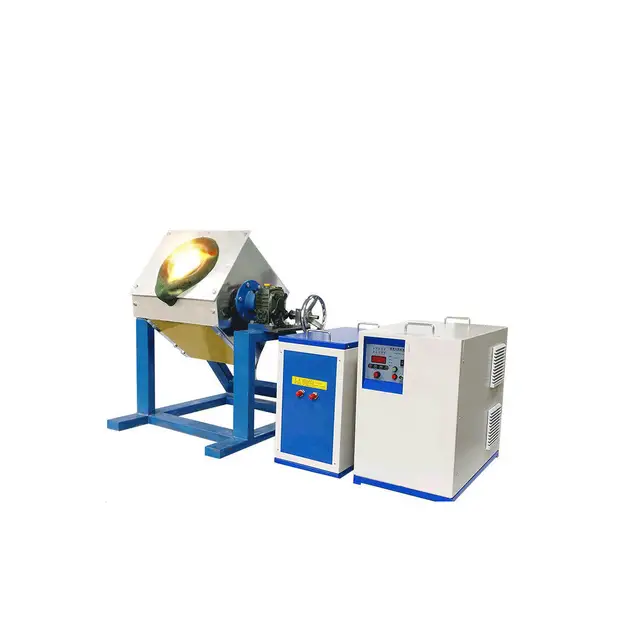
One of the primary benefits of induction heating furnaces for forging is their ability to provide uniform heating. Because the heat is generated internally, the temperature distribution is even throughout the material. This uniformity helps in reducing the risk of defects and ensures that the forged products meet high-quality standards. Additionally, this feature minimizes the likelihood of thermal stresses, allowing for better material properties post-forging.
Energy efficiency is another key advantage of induction heating furnaces. These systems typically consume less energy compared to conventional heating methods, such as gas or electric furnaces. The direct heating method reduces energy wastage, leading to lower operational costs. For industries focused on sustainability and reducing their carbon footprint, induction heating presents a viable solution that supports these goals.
The speed of the induction heating process is also noteworthy. Induction furnaces can achieve desired temperatures much faster than traditional methods. This rapid heating capability not only increases production rates but also enhances the overall productivity of the forging operation. The quicker turnaround times can provide manufacturers with a competitive edge in the market.
Furthermore, the precise control offered by induction heating systems allows for better process management. Operators can easily monitor and adjust heating parameters to comply with specific requirements for various materials and forging operations. This adaptability is essential in a dynamic manufacturing environment where different products may require unique heating profiles.
Safety is yet another significant factor when considering induction heating furnaces for forging. Since these systems do not involve flames or combustion, the risk of fire hazards is greatly reduced. Moreover, the closed-loop design of many induction systems can enhance operator safety by minimizing exposure to high temperatures and harmful emissions.
In conclusion, induction heating furnaces for forging demonstrate substantial advantages in energy efficiency, uniform heating, rapid processing times, precise control, and enhanced safety. As industries continue to seek advanced solutions for effective forging processes, the adoption of induction heating technology presents an opportunity to improve product quality while optimizing operational costs. Embracing this cutting-edge technology can lead to significant advancements in the forging sector, making it a worthwhile consideration for manufacturers aiming to innovate and enhance their production capabilities.
Contact Us
TEL:+86 13503880562
Email:sales@cnmelt.com
Website: https://www.cnmelt.com/
WeChat/WhatsApp: +8613503880562
Add: Luoyang City, China
QR code
Copyright © Luoyang Ruixinsheng Industrial Technology Co., Ltd.
