



Revolutionizing Engine Components with Crankshaft Induction Hardening Machines
Release time:
2025-09-23
Induction hardening is a critical process in the manufacturing of crankshafts, as it significantly enhances their mechanical properties, including hardness and fatigue resistance. A crankshaft induction hardening machine is specifically designed to apply this process efficiently, ensuring that engine components can withstand the rigorous demands of performance and longevity. The operation of a cra

Induction hardening is a critical process in the manufacturing of crankshafts, as it significantly enhances their mechanical properties, including hardness and fatigue resistance. A crankshaft induction hardening machine is specifically designed to apply this process efficiently, ensuring that engine components can withstand the rigorous demands of performance and longevity.
The operation of a crankshaft induction hardening machine typically involves the use of an induction coil, which generates an alternating electromagnetic field. This field induces eddy currents in the crankshaft material, leading to localized heating. The crankshaft is then rapidly cooled using a quenching medium, which transforms the microstructure of the steel, resulting in a hardened surface. This technique is not only effective in improving wear resistance but also helps in maintaining dimensional stability, which is crucial for engine efficiency.
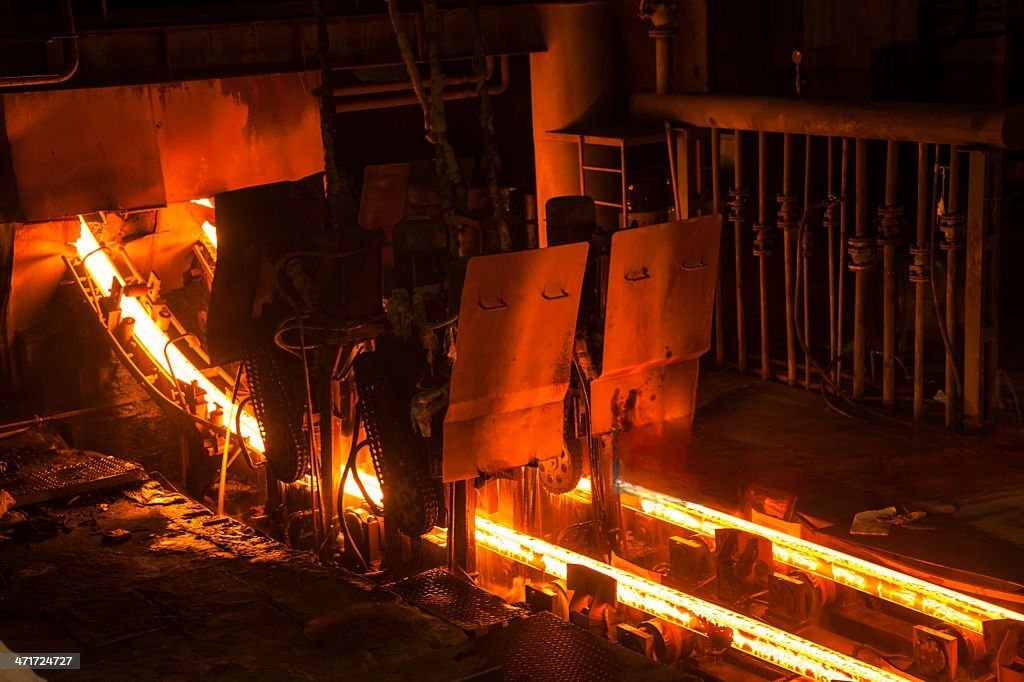
One of the primary benefits of using a crankshaft induction hardening machine is the precision it offers during the hardening process. The machine can be programmed to target specific areas of the crankshaft, allowing for selective hardening. This is particularly important for crankshafts, as certain zones may require different hardness levels to optimize performance. Moreover, the use of induction hardening eliminates the need for extensive post-processing, thereby reducing production time and costs.
In addition to enhancing the mechanical properties of crankshafts, induction hardening also contributes to improved overall engine performance. A properly hardened crankshaft can handle higher loads and speed, resulting in increased engine efficiency. Furthermore, the consistent quality achieved through the use of crankshaft induction hardening machines ensures that components meet rigorous industry standards.
The technological advancements in induction hardening machines have also led to increased energy efficiency and reduced environmental impact. Modern machines are often equipped with features such as programmable logic controllers (PLCs) and advanced cooling systems that optimize power consumption and minimize waste. This not only benefits manufacturers in terms of cost savings but also aligns with global trends towards sustainable manufacturing practices.
In summary, crankshaft induction hardening machines play a vital role in the production of high-quality engine components. By enhancing the hardness and durability of crankshafts, these machines contribute to better performance and reliability in various industrial applications. As the demand for efficient and reliable engines continues to rise, the importance of induction hardening in crankshaft manufacturing is only set to increase, making it an essential aspect of modern industrial equipment.
Contact Us
TEL:+86 13503880562
Email:sales@cnmelt.com
Website: https://www.cnmelt.com/
WeChat/WhatsApp: +8613503880562
Add: Luoyang City, China
QR code
Copyright © Luoyang Ruixinsheng Industrial Technology Co., Ltd.
