


Key Features to Look for in a Crankshaft Induction Hardening Machine
Release time:
2025-05-27
Key Features to Look for in a Crankshaft Induction Hardening Machine Introduction to Crankshaft Induction Hardening Induction hardening is a crucial process in manufacturing that enhances the durability and strength of crankshafts, ensuring they can withstand rigorous operational conditions. Selecting the right crankshaft induction hardening machine involves understanding its features and capa

Key Features to Look for in a Crankshaft Induction Hardening Machine
Introduction to Crankshaft Induction Hardening
Induction hardening is a crucial process in manufacturing that enhances the durability and strength of crankshafts, ensuring they can withstand rigorous operational conditions. Selecting the right crankshaft induction hardening machine involves understanding its features and capabilities. In this article, we will explore the key aspects to consider, enabling you to make an informed decision for your industrial applications.
Understanding the Induction Hardening Process
Induction hardening is a heat treatment process that involves heating a workpiece using electromagnetic induction. The core principles include:
- **Rapid Heating:** The machine delivers heat quickly, which is essential for achieving the desired hardness.
- **Controlled Cooling:** After heating, the workpiece is cooled rapidly to set the hardened surface.
This process is effective for crankshafts due to their critical role in engine performance and reliability. Understanding these foundational elements can aid in selecting a machine that aligns with production needs.
Significance of Selecting the Right Machine
Choosing the correct induction hardening machine will directly affect manufacturing efficiency, product quality, and operational costs. Incorrect choices can lead to increased downtime, maintenance costs, and product failures.
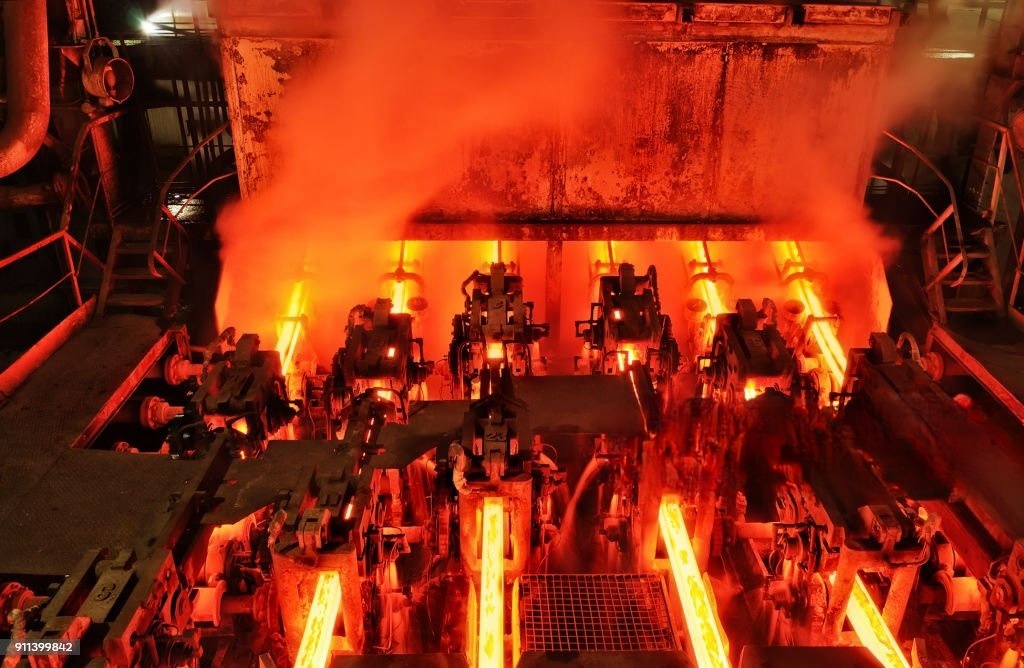
Key Features of Crankshaft Induction Hardening Machines
When evaluating crankshaft induction hardening machines, several critical features should be prioritized:
1. Power Supply and Control Systems
A high-quality induction hardening machine should have:
- **Versatile Power Options:** Machines that offer multiple power settings allow for flexibility based on the specific hardness requirements.
- **Advanced Control Systems:** Look for machines equipped with user-friendly interfaces that provide precise control over heating cycles, ensuring consistency in production.
2. Coil Design and Configuration
The design of the induction coil plays a pivotal role in the efficiency of the hardening process. Key aspects to consider include:
- **Customizable Coils:** Machines should allow for different coil configurations to accommodate various crankshaft sizes and shapes.
- **Material Compatibility:** Coils made from high-quality materials resist wear and extend the machine's lifespan.
3. Cooling Systems
An efficient cooling system is essential to prevent overheating and ensure that the desired hardness is achieved. Consider the following:
- **Integrated Cooling Systems:** Machines with built-in cooling mechanisms can enhance the speed and efficiency of the hardening process.
- **Water vs. Oil Cooling:** Evaluate the cooling method that best suits your production environment, as this can affect both cooling speed and surface finish.
4. Automation Features
Incorporating automation can significantly improve efficiency. Look for:
- **Robotic Integration:** Automated systems can handle loading and unloading, reducing human error and increasing throughput.
- **Programmable Settings:** Machines that allow for the programming of multiple cycles can cater to diverse production needs.
5. Safety Features
Safety should be a top priority when selecting industrial machinery. Important features include:
- **Emergency Stop Mechanisms:** Ensuring operators can quickly halt the machine in emergencies is crucial.
- **Protective Shields:** Machines should have shields that protect operators from harmful exposure during operation.
Evaluating Machine Specifications
When comparing different models, pay attention to their specifications:
- **Output Capacity:** Determine the volume of crankshafts the machine can process within a given timeframe.
- **Energy Efficiency Ratings:** Machines with high energy efficiency ratings can lower operational costs.
- **Size and Footprint:** Consider the space available in your facility, as this will influence machine selection.
Understanding Cost vs. Value
While pricing is significant, it’s essential to evaluate the value that each machine brings. Features, durability, and long-term operational costs should guide your decision-making process.
Maintenance and Support Considerations
Regular maintenance is vital to keep induction hardening machines operational. Key strategies include:
- **Scheduled Maintenance Plans:** Engage with manufacturers that offer comprehensive maintenance support.
- **Availability of Parts:** Ensure that spare parts are readily available to minimize downtime.
Supplier Reputation and After-Sales Service
Choosing a reputable supplier can enhance the overall experience. Look for suppliers that provide:
- **Technical Support:** Access to knowledgeable professionals who can assist with troubleshooting.
- **Warranty and Service Agreements:** These can offer peace of mind regarding future repairs and maintenance.
Real-World Applications of Induction Hardening Machines
Understanding the applications of crankshaft induction hardening machines can help contextualize their features:
- **Automotive Manufacturing:** These machines are vital in producing crankshafts that meet the rigorous demands of modern engines.
- **Aerospace Industries:** Induction hardening is used to ensure components can withstand extreme conditions.
Future Trends in Crankshaft Induction Hardening Technology
The industry is constantly evolving, driven by advancements in technology:
- **Smart Machinery:** The integration of IoT technologies in induction hardening machines allows for real-time data monitoring and predictive maintenance.
- **Sustainability Initiatives:** Energy-efficient machines are becoming more prevalent, reflecting a global push towards sustainable manufacturing practices.
Conclusion
Selecting the right crankshaft induction hardening machine is essential for ensuring the efficiency and quality of your manufacturing process. **By focusing on key features such as power supply, coil design, cooling systems, and automation capabilities**, you can make an informed decision that meets your operational needs. Remember to consider supplier reputation and future technology trends to stay ahead in the competitive industrial landscape.
FAQs
1. What is induction hardening, and why is it important for crankshafts?
Induction hardening is a heat treatment process that enhances the hardness and strength of crankshafts, making them more durable for demanding applications.
2. How does the design of the induction coil affect the hardening process?
The coil design dictates how effectively heat is applied to the crankshaft, impacting the uniformity of hardening and overall quality.
3. What are the benefits of automated induction hardening machines?
Automation increases operational efficiency, reduces human error, and allows for consistent production cycles.
4. How can I ensure the longevity of my induction hardening machine?
Regular maintenance, proper training for operators, and timely repairs can significantly extend the lifespan of the machine.
5. Are there specific safety standards for operating induction hardening machines?
Yes, there are industry-standard safety protocols that must be adhered to, which include emergency stops, protective gear, and operator training.
By focusing on these aspects, you can confidently navigate the selection of a crankshaft induction hardening machine that meets your operational requirements and paves the way for enhanced production capabilities.
Contact Us
TEL:+86 13503880562
Email:sales@cnmelt.com
Website: https://www.cnmelt.com/
WeChat/WhatsApp: +8613503880562
Add: Luoyang City, China
QR code
Copyright © Luoyang Ruixinsheng Industrial Technology Co., Ltd.